
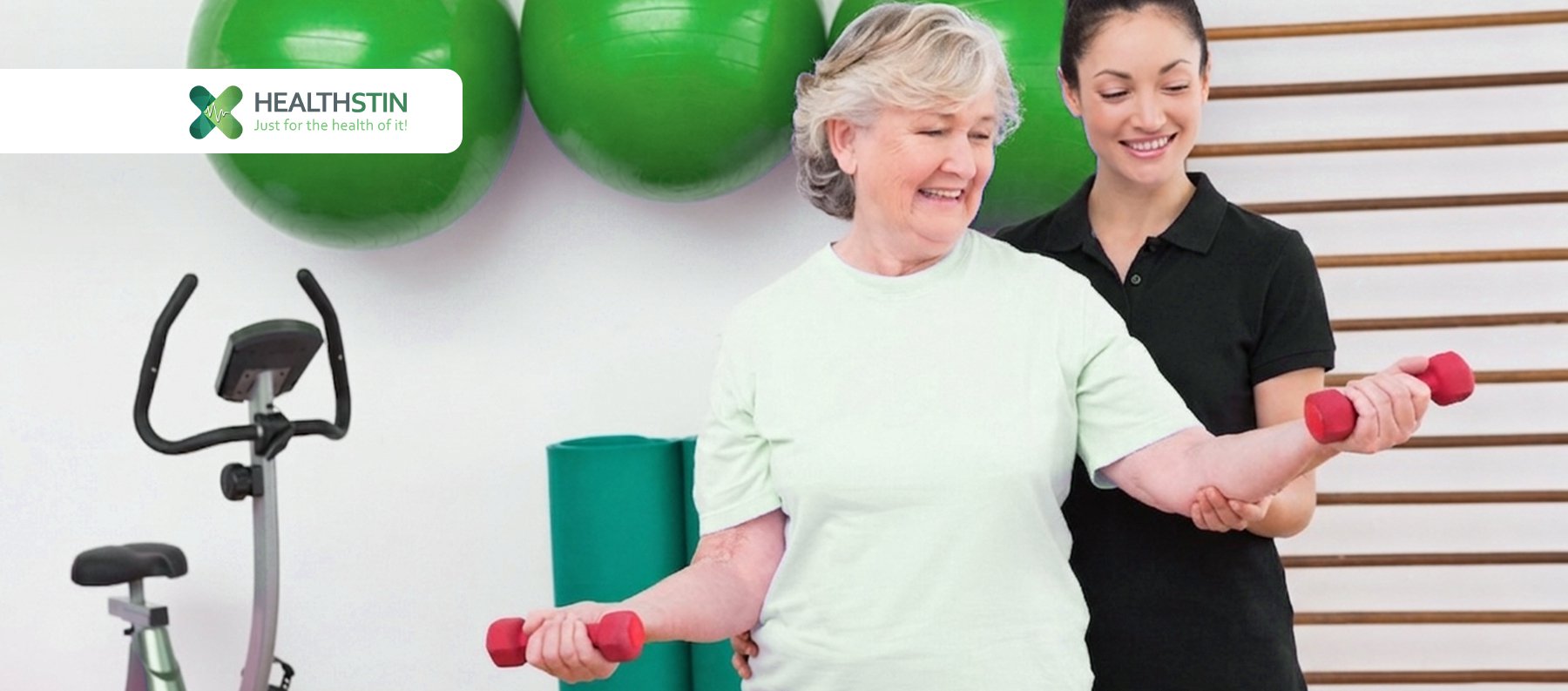
Families and support coordinators find it challenging to manage osteoporosis in non- ambulatory individuals. Limited mobility makes it harder to keep bones healthy, but it is still possible.
With the right support, Exercise Physiology can help slow bone loss, build strength, and support long-term function.
At Healthstin Salisbury, we believe that making informed choices leads to better results. Here’s how targeted weight-bearing exercises for osteoporosis work and what to look for in a good allied health provider.
Understanding Osteoporosis in Non Ambulatory Individuals
Osteoporosis is a condition where bones become less dense and more fragile, increasing the risk of fractures. In Australia, it is estimated that over 1.2 million people live with osteoporosis, with many more experiencing low bone density.
For non-ambulatory individuals, the risk is even higher. Less movement means less pressure on bones, which is important for keeping them strong. According to Healthy Bones Australia, exercise is vital for bone health, especially when it involves controlled impact and muscle loading.
That’s why it’s important to have proactive, guided support.
How Exercise Physiology Supports Bone Health
Exercise physiology for osteoporosis is about safely applying the right kind of physical stress to bones to help keep them healthy and growing.
An article published by the American Academy of Orthopaedic Surgeons states that exercise can help maintain or improve bone density, even in populations with limited mobility.
For non-ambulatory clients, this doesn’t mean traditional exercises like walking or running. Instead, Exercise Physiologists use adapted methods to provide safe and effective weight- bearing exercises.
What Are Targeted Weight-Bearing Exercises?
Targeted weight-bearing exercises for osteoporosis are carefully designed movements that apply pressure to bones to help them become stronger. For non-ambulatory individuals, these might include:
- Supported standing using frames or assistive devices
- Resistance based exercises for major muscle groups
- Functional movements like assisted transfers
- Seated or modified loading activities
- Use of equipment to simulate weight-bearing
These exercises are always tailored to the individual’s capacity, medical history, and goals.
Studies show that regular, supervised exercise can lower fracture risk and improve overall function, even if full mobility isn’t possible.
Choosing High Quality Allied Health Providers in Salisbury
Not all providers offer the same quality of care. When looking for Exercise Physiology in Salisbury, here are some signs of a good provider:
1. Evidence Based Programming
Clinicians should clearly explain how the exercises they recommend support bone health, using up-to-date research.
2. Individualised Approach
Every client is different. Programmes should be tailored, checked regularly, and changed as needs shift.
3. Experience with Complex Needs
Look for teams with experience working with non-ambulatory individuals, neurological conditions, or disability support frameworks such as the NDIS.
4. Functional Outcome Focus
Exercise should lead to real results, like safer transfers, better posture, or a lower risk of fractures.
5. Collaborative Care
Good providers talk with GPs, specialists, and support coordinators to make sure everyone is working together.
Why Local Access Matters
Being consistent is one of the most important parts of managing osteoporosis. Getting services locally in Salisbury makes it easier to keep up with therapy.
Local allied health support can:
- Reduce fatigue from travel
- Improve appointment consistency
- Enable faster programme adjustments
- Strengthen coordination across care teams
How Healthstin Salisbury Supports Bone Health
Healthstin’s Exercise Physiologists offer evidence based programmes made for people with limited mobility and a higher risk of osteoporosis.
Our approach includes:
- Comprehensive functional and bone health assessments
- Personalised targeted weight-bearing exercise programmes
- Safe progression based on ability and goals
- Ongoing monitoring and programme adjustments
- Education for families, carers, and support coordinators
We focus on what matters most: helping clients keep their bones strong, lower their risk of fractures, and improve their quality of life.
Find Trusted Osteoporosis Support in Salisbury Today
The right Exercise Physiology support in Salisbury can make a meaningful difference in managing osteoporosis, even for non ambulatory individuals.
Call 1300 090 931 to speak directly with the Healthstin Salisbury team today.
You can also submit a referral form to get started, or book a free 30 minute consultation to explore personalised exercise physiology programmes.


