
Seeing your teenager become more independent is a rewarding part of parenting. For teens with intellectual disabilities, building the physical skills needed for daily independence can be more challenging. Everyday movement, from getting dressed to joining in sports, is more important than many people think.
This is where exercise physiology can help teens with intellectual disabilities. Exercise physiology uses structured, goal-based movement programmes led by qualified health professionals to build strength, coordination, and confidence over time. The Australian Institute of Health and Welfare reports that about 190,000 children (4.3%) have an intellectual disability, so many families are looking for the right support.
Developing Gross Motor Skills for Teens
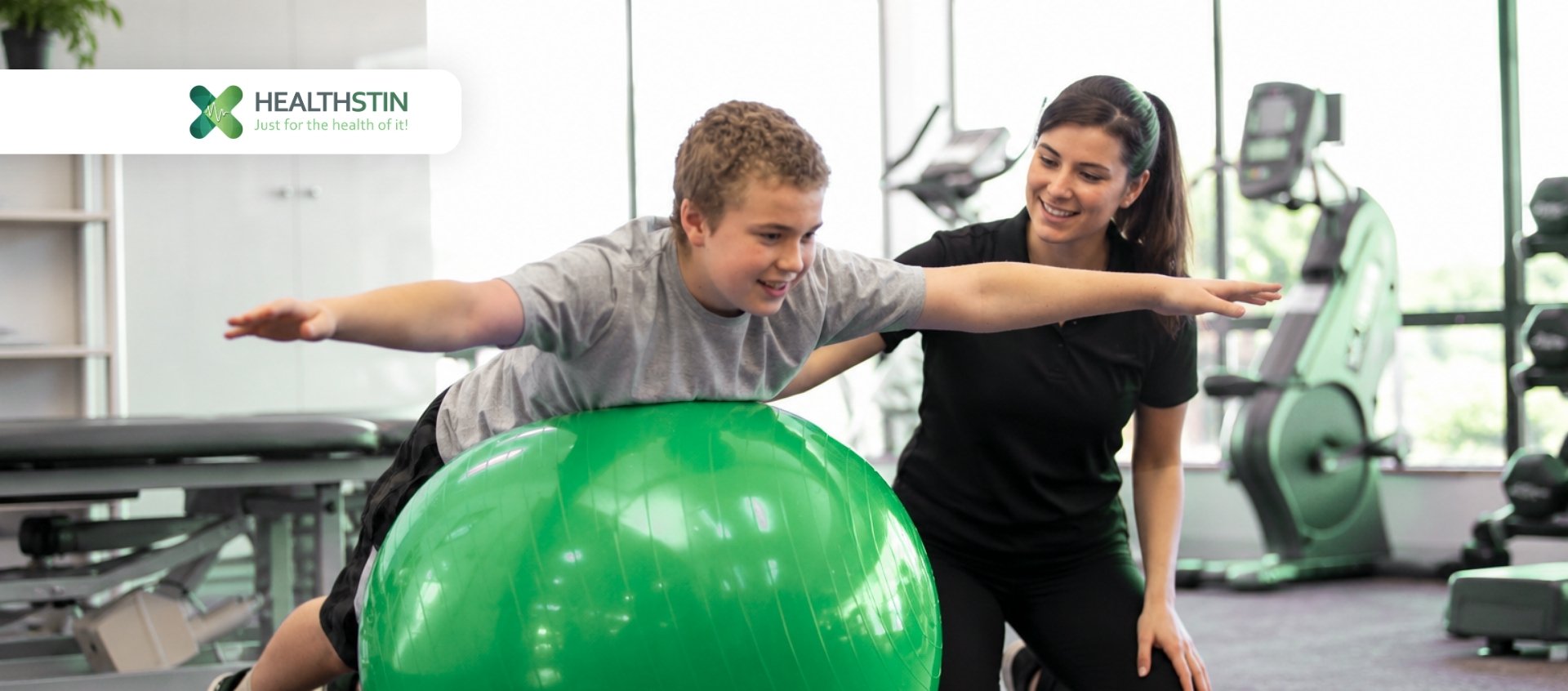
Teens with intellectual disabilities often have delays in gross motor skills, such as balance, coordination, and larger movements, compared to their peers. These delays can make it harder to keep up in PE class, join community sports, or move confidently at home. A six-month study on adapted physical activity for adolescents with intellectual disabilities found significant improvements in gross motor development, physical fitness, and quality of life compared to standard physical education. Exercises led by a qualified exercise physiologist may include:
- Balance and coordination exercises
- Functional movement training for teens that focuses on everyday activities
- Strength and coordination training for teens to help them feel more confident in sports and play
- Gradually building up activity tolerance and endurance
Independence Through Exercise, Not Just Movement
For many families, helping teens become more independent through exercise starts with small, steady achievements, like carrying their own bag, managing stairs with confidence, or joining a community activity without hesitation.
Research shows that regular, structured physical activity helps young people with intellectual disabilities build important life skills. This supports greater independence and lowers the risk of health issues related to inactivity, like weaker bones and heart problems, later in life. At Healthstin, our exercise physiologists work within NDIS Capacity Building supports and tailor programmes to each teen’s goals.
If you are considering exercise physiology for your teen, we offer eligible NDIS participants a free 30-minute consultation to discuss their goals and how our team can help. You can also call 1300 090 931 to speak with our friendly Salisbury team.
Choosing the Right Disability Exercise Programmes in Salisbury
If you’re looking for disability exercise programmes that Salisbury families trust, it’s helpful to ask a few key questions:
- Are the programmes created especially for adolescents, rather than being adapted from adult or children’s templates?
- Is the provider registered with the NDIS and experienced in supporting people with intellectual disability?
- Are the sessions tailored to each person, with clear and trackable goals?
- Does the team clearly share progress updates with parents and carers?
At our Salisbury clinic, the Healthstin exercise physiology team creates personalised programmes for teens. We work closely with families to set goals that matter most, whether it’s building strength, improving coordination, or boosting confidence in daily activities.
Supporting Your Teen’s Next Steps
There’s no one-size-fits-all way to build independence, but regular, well-supported movement can make a real difference in a teen’s confidence, abilities, and quality of life over time.
Interested in how exercise physiology could help your teen? Book an appointment online or fill out our referral form to see how Healthstin Salisbury can support your family’s next step.


